Mission commercial water systems sized by facility
Kitchens, clinics and laundries need different water.
Aquapura sizes around chemistry, peak draw and service access instead of one standard box.
No obligation. Bring the facility type and symptom.
Route by application
Pick the setting that matches the water problem you need to fix.
Commercial proof in context
Restaurant kitchen, clinic, laundry room and service checks.
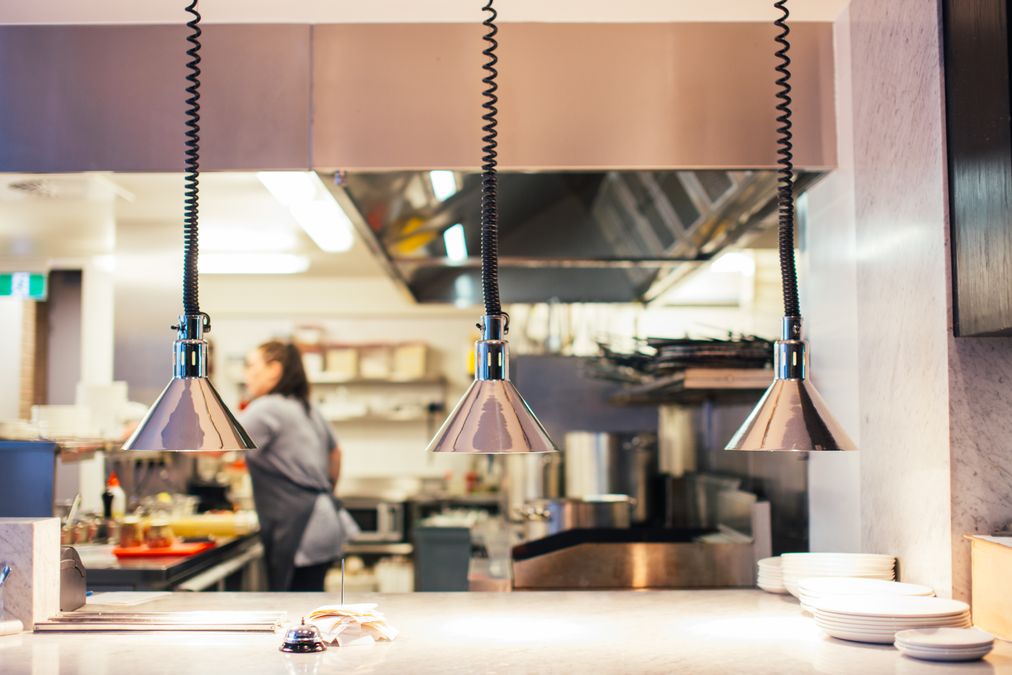
Restaurant kitchen
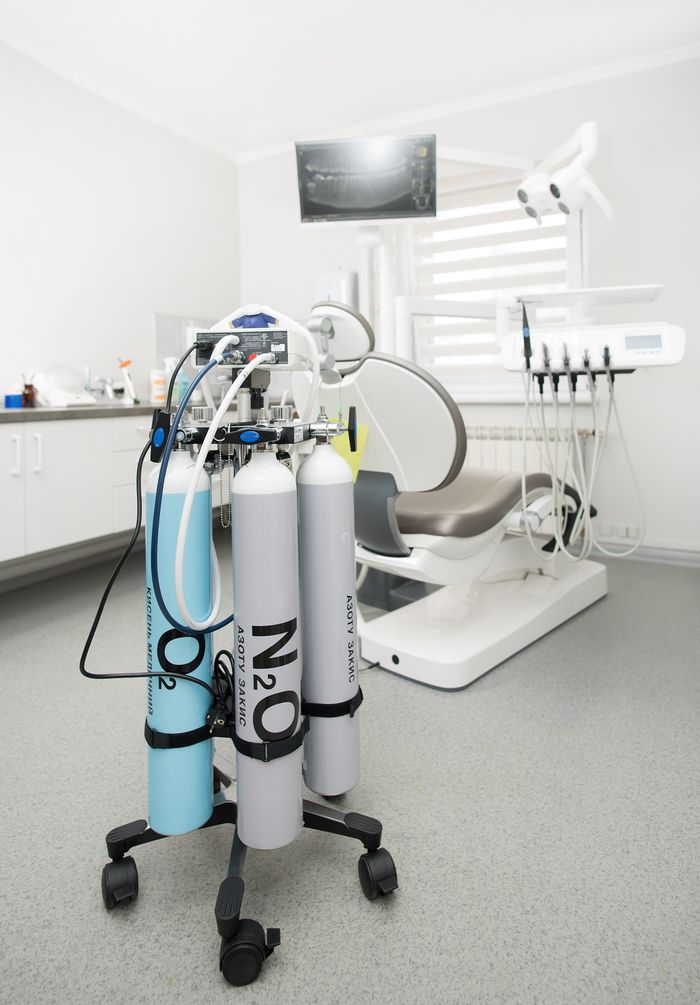
Clinic room
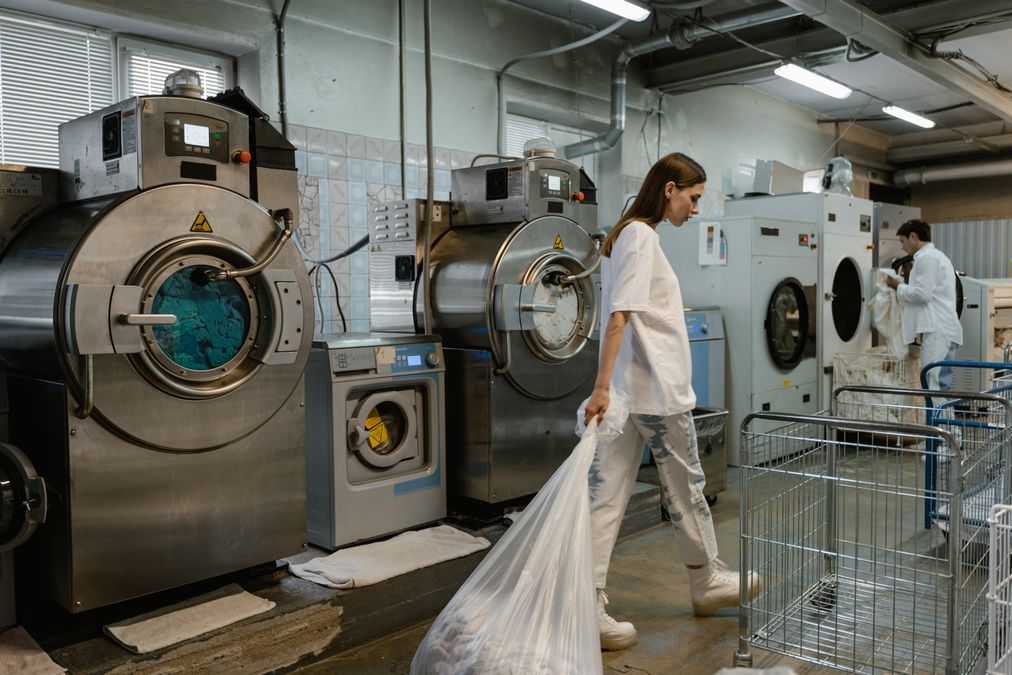
Laundry room

Water test
Restaurant kitchen
Clinic room
Laundry room
Water test
What changes by site
Scale, odor, sediment, flow and upkeep all move with the facility.
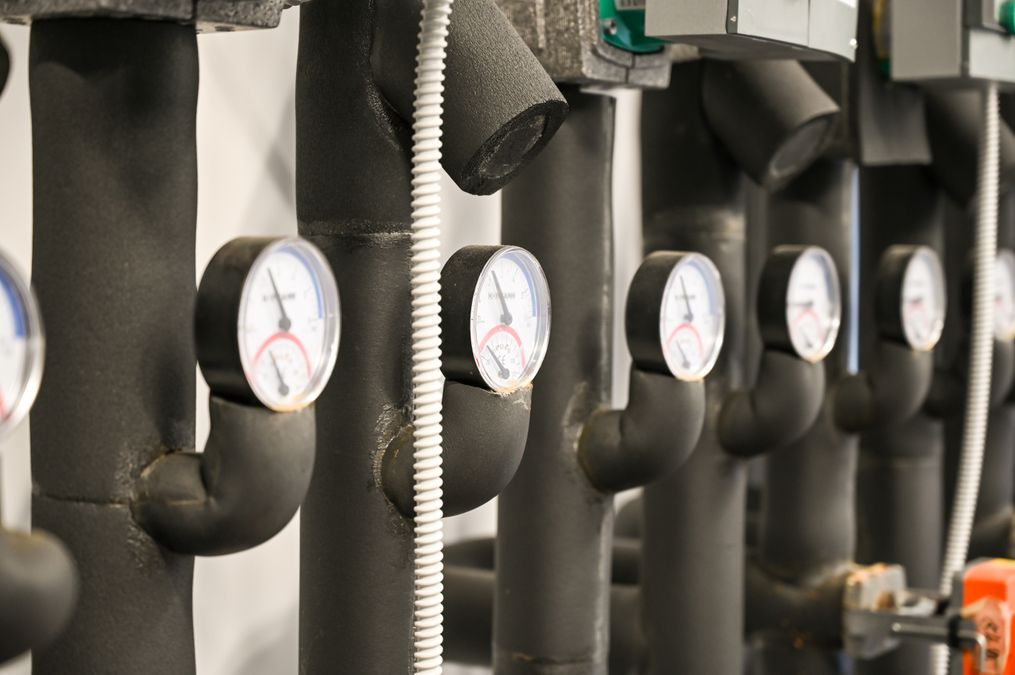
Scale on equipment
Hard water leaves white buildup on heaters, valves and ice machines. The fix is usually a different train, not another round of descaling.

Taste and odor
Chlorine, sulfur and stale lines show up first in the cup and the ice. Carbon and polishing stages have to match the complaint, not just the building size.
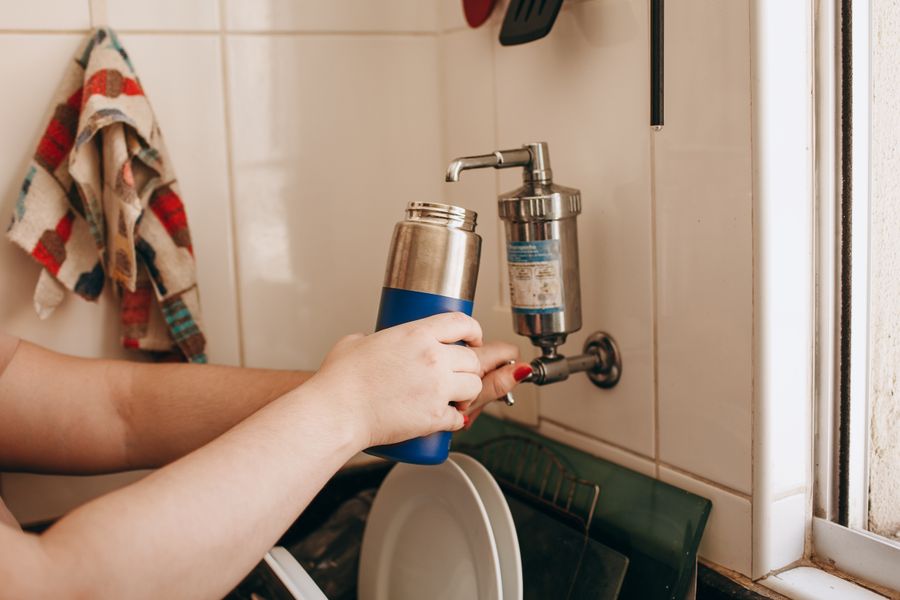
Sediment load
Rust, grit and fine debris choke cartridges and shorten service intervals. Pre-filtration needs to be set to the incoming water, especially on older lines or well-fed sites.
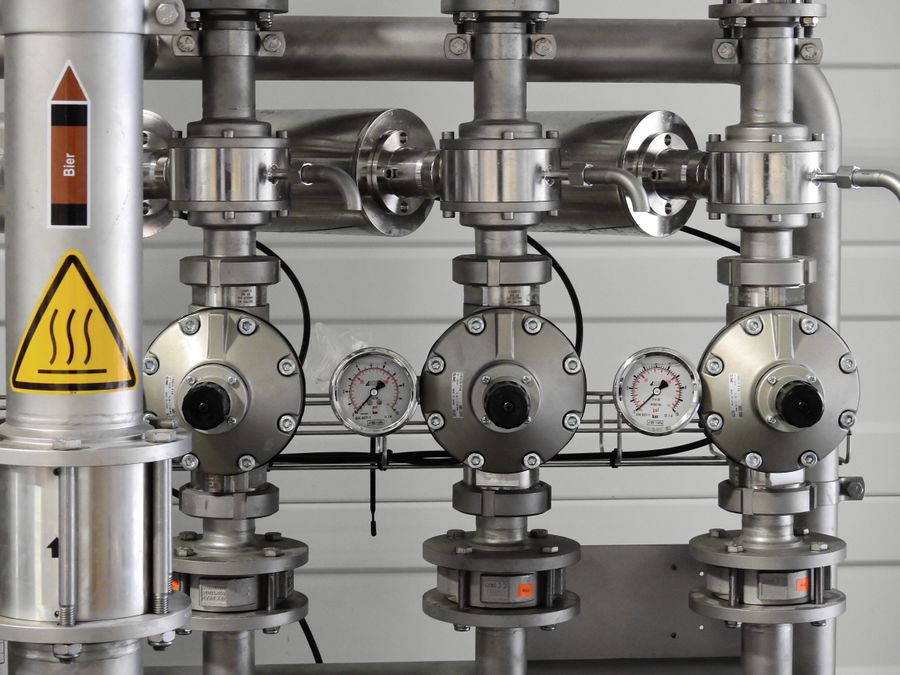
Peak flow
A lunch rush, a full laundry bank or a multi-suite rinse cycle can outrun a small unit fast. The design has to hold pressure when every outlet opens at once.
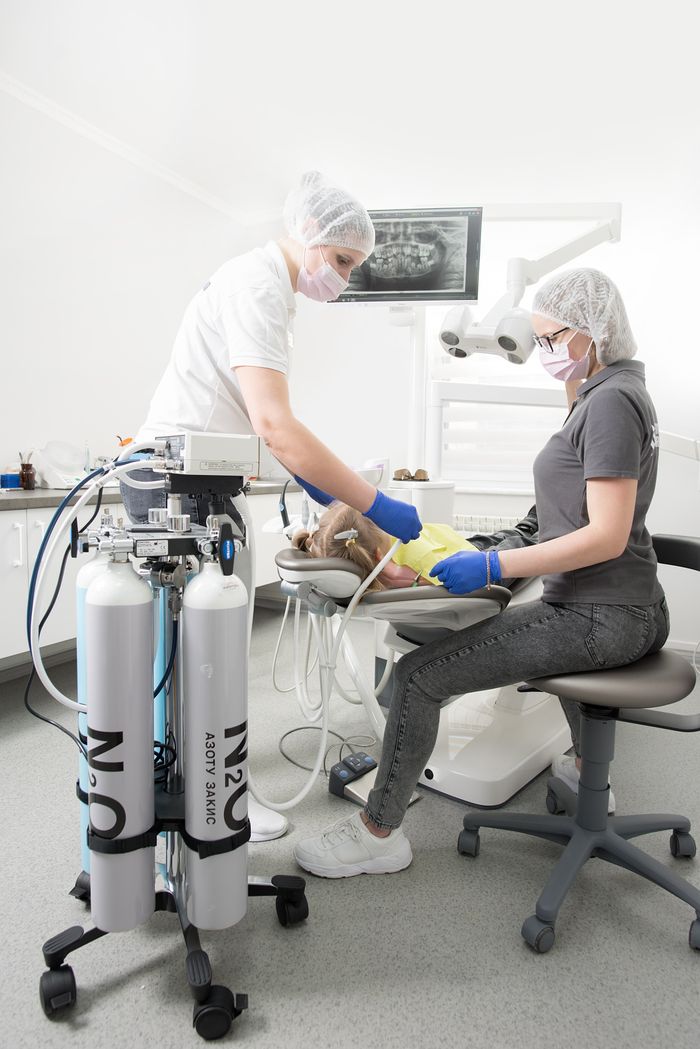
Hygiene records
Healthcare and food operations often need cleaner service records and clearer replacement intervals. The right system makes maintenance easy to document instead of hard to explain.
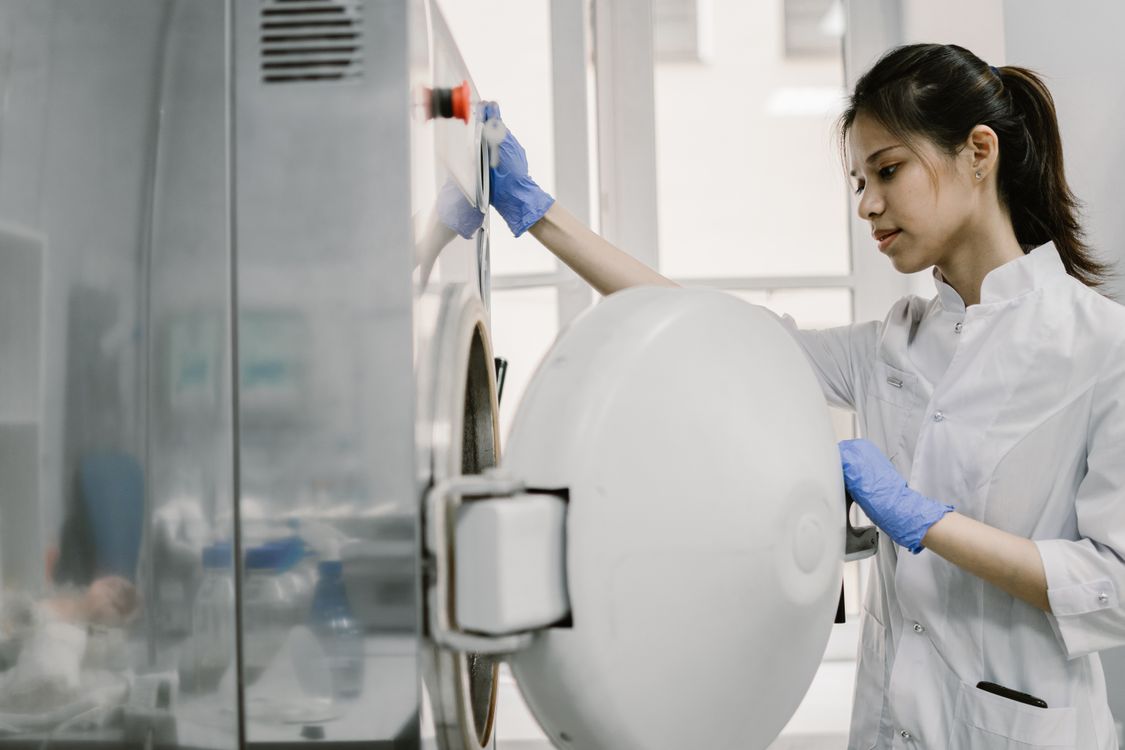
Maintenance access
If filters are buried behind tanks or elbows, the best design becomes the most annoying one to service. Access, shutoff room and cartridge change path should be planned before install day.
Choose the sizing path
Match the facility, the symptom and the service model before you buy equipment.
Bring the facility type and symptom.
1
Identify the facility
Name the setting first: kitchen, clinic, laundry room or property plant. The category sets the base expectations for water quality and uptime.
2
List the symptom
Write the complaint the team actually sees - scale, sediment, odor, taste or off-spec water. That points the design in the right direction.
3
Confirm peak demand
Count the fixtures or machines that need water at the same time. Peak use decides whether the system feels steady or underfed.
4
Pick the service model
Choose new design, retrofit or scheduled service based on how much downtime the site can absorb. The goal is a system your team can keep in service.